
Tarangire National Park
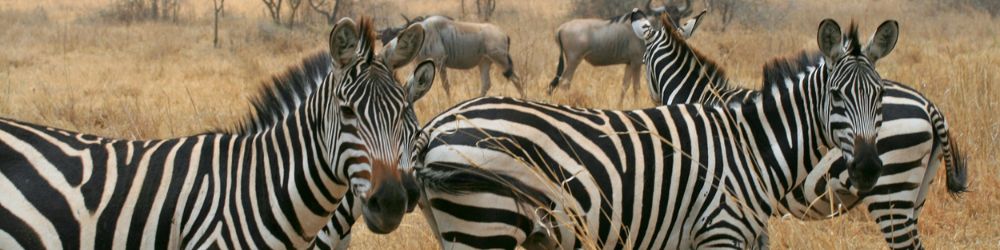
Tarangire National Park has the big five, hundreds of bird species, lots of grazers, ancient baobabs, and prehistoric baobab trees.
How to get to Tarangire
Tarangire National Park is just a 2-hour drive from Arusha. The location is ideal for anyone in town to make a quick safari detour.
Your tour operator will book a van for you.
When to Visit Tarangire National Park
Tarangire has much to offer no matter what time of year you visit. But the dry season is your best bet for game viewing.
The rainy season is better for bird watching. Go there in November for a wider variety of birds.
Accommodation in Tarangire
- Tarangire Sopa Lodge
- Sangaiywe Tented Lodge
- Tarangire Tree Tops
- Tarangire Simba Lodge
- Nimali Tarangire Lodge
- Kirurumu Tarangire Lodge
- Swala Camp
- Maramboi Tented Camp
- Tarangire Balloon Camp
- Lake Burunge Tented Camp
- Tarangire Safari Lodge
- Roika Tarangire Tented Camp
- Tarangire River Camp
- Oliver’s Camp
What to wear in Tarangire National Park
Wear light, breathable clothes in earth colors. Carry a jacket when it is the rainy season. A jumper will keep you warm in the evenings. Protect your skin with insect repellant and sunscreen.
Wear waterproof walking shoes.
Tarangire National Park Attractions
- More than 300 elephants live in Tarangire. You are bound to see elephants either in the plains or along the river Tarangire.
- The Tarangire River swells in the rainy season and slows down when it is dry. It waters the animals in the park.
- The vegetation in Tarangire includes woodland, riverine forests, swamps, and savannah grasslands. This vegetation supports a variety of wildlife.
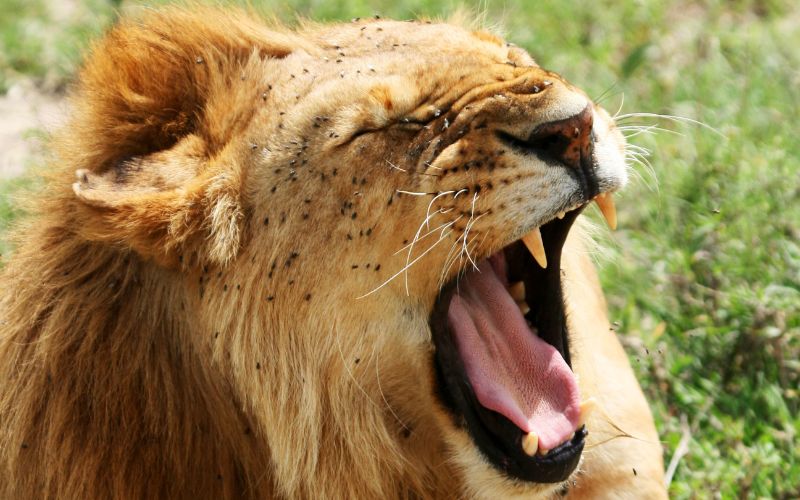
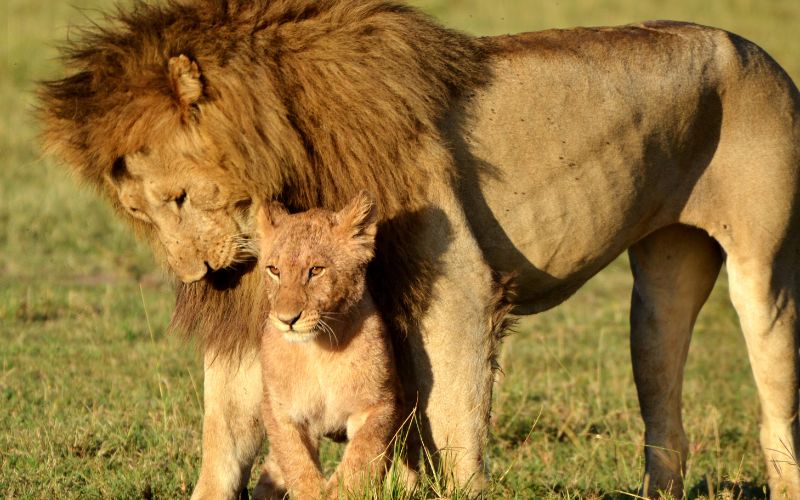
- Hartebeest, elands, gazelles, hyenas, wildebeest, buffaloes, lions, hippos, and leopards, etc. live here.
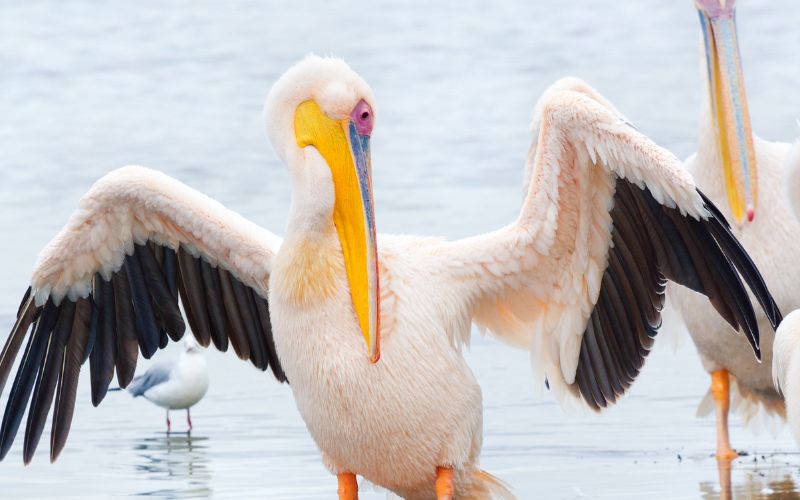
- More than 550 bird species live at Tarangire, making it a bird paradise. They include ostriches, plovers, steppe eagles, bee-eaters, hamerkorp, etc.
- The Kolo Rock Art site consists of 3 sites. The first consists of red paintings in fine lines. The second has figures of humans and animals. The third site has geometrical figures in addition to animals and human figures. Mary Leakey documented these paintings in the 1950s. Locals use the sites for rituals.
- Tarangire has centuries-old baobab trees dotting the savannah grasslands. The trees help animals to shelter from the sun.
Plan Your Safari Holiday With Confidence
Give us your preferred travel dates, number of travellers, your accommodation preferrence, and whether you would like to combine destinations. We'll prepare a fully itemised itinerary for you.