
🧭 3-Day Masai Mara Road Trip — Quick Facts
| 📍 Distance (Nairobi → Mara) | ~270 km (168 miles) |
| ⏱ Drive time | 5–6 hours |
| 🌍 Route | B3 Highway via Narok town |
| 🕖 Departure time | 6:00 – 7:00 am |
| 🦍 Animals guaranteed | Big 5 + 95 mammal species |
| 📅 Best months | July – October (Great Migration) |
| 🏕 Accommodation | Tented camps & lodges in the wilderness |
Masai Mara is a wildlife-studded park, having over 95 mammal species and 570 bird species, guaranteeing sightings of hundreds of animals as you drive through the park. It is only about a 6-hour drive from the capital city of Nairobi. The Masai Mara National Reserve covers an area of about 1,510 sq km (580 sq miles).
For a road trip, the minimum recommended number of days for touring the Mara is 3 days and 2 nights, within which you will cover good ground and get great value for your money.
Here is a detailed preview of what to expect on a 3-day road trip to Masai Mara from the capital city of Nairobi — including what to pack, where to stay, and everything in between.
Getting there: the Nairobi to Masai Mara road trip
The road trip from Nairobi to Masai Mara covers approximately 270 km (168 miles), taking 5 to 6 hours depending on traffic and road conditions. The main route follows the B3 Highway out of Nairobi, descending through the stunning Great Rift Valley before passing through Narok town - the last major stop for shopping, fuel, and ATMs before the reserve. From Narok, it is a further 2 to 3 hours to the Masai Mara entrance gates. Expect the final stretch to be bumpy, as roads near the reserve are unpaved.
The road journey itself is half the experience - you will pass through farmlands, Maasai settlements, and dramatic escarpments that offer a beautiful introduction to rural Kenya.
Day 1: Nairobi to Masai Mara
Pick-up is usually between 6 and 7 in the morning to avoid traffic, depending on where you will be collected from. It is important to keep time so as not to arrive late at the Masai Mara - the aim is to be there by 4 pm at the latest.
As you journey through the Great Rift Valley, you will make a stop at the viewpoint to enjoy breathtaking views for about 30 minutes. Take this opportunity for a bathroom break, and, in case you did not manage to take breakfast, there is a water and snacks shop. You can also pick up souvenirs here.
The next stop is at a place called Olare, after a further 2 hours of driving. Here you will have your lunch and a toilet break. Two and a half hours later you will arrive at the Masai Mara. Expect a bumpy ride as you approach the reserve entrance, where you will find Masai ladies selling handmade trinkets - feel free to buy from them (you can also bargain). You will finally arrive at your safari accommodation at about 4 pm.
Accommodation at the Masai Mara is literally in the wilderness - incredible - with mosquito nets and ensuite bathrooms. Electricity and hot showers are available 5:30 am to 6:45 am and 5:30 pm to 10:00 pm.
In the evening, after a tea break, go for an evening game drive and enjoy a surreal experience. You will see giraffes walking around, zebras and wildebeests peacefully grazing, and possibly spot lions, lionesses, and hyenas feasting on carcasses. You may also witness spectacles of predators collaborating to attack their prey.
It is truly refreshing to see wild animals in their natural habitat, going about their business. Animals are relatively close, enabling you to take great photographs. Experienced guides know exactly the right spots. After a long bumpy ride, a nice hot meal and shower will be waiting for you.
Using a reputable company and experienced tour guide is the best way to get the most out of your safari, rather than venturing out on your own.
Day 2: Full day in the Masai Mara
Your mission today is to look out for the Big 5: Lion, Leopard, Elephant, Rhinoceros, and Buffalo.
Your day starts at about 6:30 am to enjoy the early African sunrise. As you journey through the Masai Mara plains, expect to see many Thomson Gazelles and wildebeests. Other animals include Cheetahs, Vultures waiting for predators to finish eating so they can feed on carcasses (sometimes quite pungent!), and majestic lions at close range. It can be wonderful to see baby and mother elephants together. Rhinos may not be very easy to spot. Guides communicate in codes to help each other with animal sightings, especially for lions.
Leopards are usually found in trees and may not be easily spotted. Bring a pair of binoculars to make sure you miss nothing.
Sometimes you may get stuck in the mud, but other safari vehicles quickly come to your aid. Doors are usually kept locked and no one is allowed to walk around outside the vehicle inside the park.
At about 1:30 pm, you will visit the famous Mara River, where you will see crocodiles and hippos up close. Have a small tip ready for the ranger who gives you the talk - it is a nice gesture.
At 2:30 pm, enjoy a picnic lunch in the wilderness. After lunch, you will head over to the no-man's-land between Kenya and Tanzania, where you can alight and take photos - a truly unique experience.
Lots more animals will be seen as you drive back through the park to your lodge for the evening.
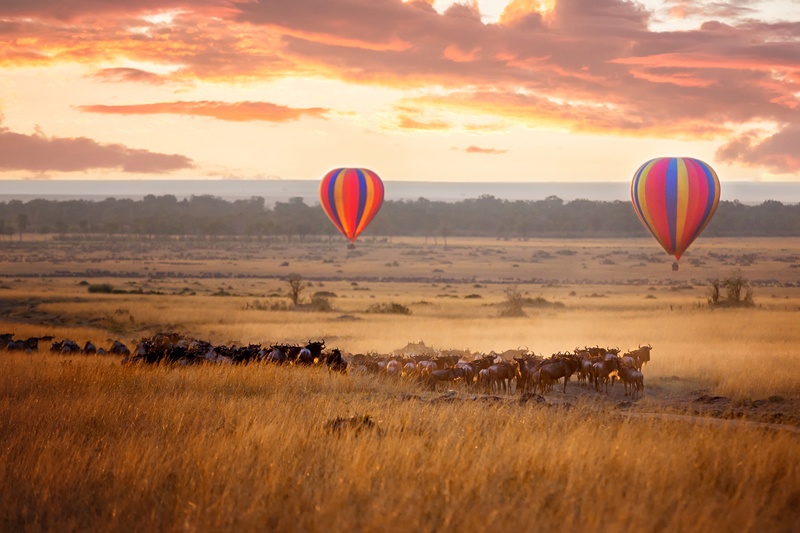
The Great Migration (July to October): Between July and October, millions of wildebeest migrate from the Serengeti in Tanzania into the Masai Mara in search of pasture and to mate. Witnessing this is widely regarded as the greatest wildlife spectacle on Earth.
Day 3: Masai Village & return to Nairobi
Your final morning begins early with a sunrise game drive before breakfast - a perfect last chance to spot any Big 5 members you may have missed. The early hours are often when big cats are most active, so do not sleep in!
After breakfast and check-out, it is time to meet the Masai people.
Experience a welcome dance where the Masai chant and make rhythmic movements without musical instruments. You will be invited to join in the happy dance and the famous Masai jumping dance - the higher you jump, the more masculine you are considered!
Learn more about the Masai people, including their economy, family structure, diet, lifestyle, and culture - all of which are fascinating and unlike anything else. Their beadwork goes back hundreds of years, and they weave the Masai Shuka, which protects them from harsh weather conditions.
After the cultural visit, you will depart for the drive back to Nairobi, retracing your scenic route through Narok and up the Great Rift Valley escarpment. Expect to arrive back in Nairobi between 5 and 6 pm, depending on your departure time.
Masai Mara is always worth it - you will leave with a happy feeling of accomplishment and memories that last a lifetime.
Best time to visit Masai Mara
The Masai Mara is a year-round safari destination - wildlife is present and active in every season. That said, the timing of your visit will shape the experience:
- July – October (peak season): The Great Wildebeest Migration is in full swing, with dramatic Mara River crossings and millions of animals on the plains. This is the most popular and most expensive time to visit.
- January – March (dry season): Excellent game viewing with fewer crowds. Animals congregate around water sources, making sightings easier. Prices are lower than peak season.
- April – June (green season): The reserve is lush and beautiful, bird life is spectacular, and accommodation rates are at their lowest. Game drives are still productive, though some tracks can be muddy.
For a 3-day road trip, any time of year will deliver memorable wildlife sightings. We are happy to advise on the best dates for your specific interests - get in touch with us here.
What to pack for your Masai Mara safari
Packing light but smart makes a big difference on a road safari. Here is what we recommend:
- Binoculars: essential for spotting leopards in trees and distant wildlife
- Neutral-coloured clothing: khaki, olive, and beige. Avoid bright whites or blues that startle animals
- Sunscreen and lip balm: the Mara sun is strong, especially in open safari vehicles
- Camera with extra memory cards and batteries: you will take hundreds of photos
- Light jacket or fleece: early morning game drives can be surprisingly cold
- Small cash for tips: rangers, Masai village guides, and camp staff appreciate small tips in Kenyan shillings or US dollars
- Personal medication and insect repellent: the Mara is a malaria zone; consult your doctor before travel
- Refillable water bottle: camps refill water; single-use plastics are discouraged in the reserve
Where to stay: Masai Mara accommodation
All accommodation options at the Masai Mara are set in the wilderness, offering an authentic bush experience. The three main categories are:
- Budget tented camps: Comfortable canvas tents with shared or ensuite bathrooms. The most affordable option - ideal for travellers who want the experience without the premium price tag.
- Mid-range safari lodges and camps: Well-appointed tents or rooms with private bathrooms, hot water, and good meals. The most popular category for 3-day itineraries.
- Luxury lodges and camps: Premium tented suites, private plunge pools, gourmet meals, and exclusive game drives. Often located in private conservancies adjacent to the main reserve.
View our full selection of Kenya safari camps and lodges or tell us your budget and we will recommend the right fit for your trip.
How much does a 3-day Masai Mara safari cost?
The cost of a 3-day Masai Mara road safari from Nairobi varies depending on your accommodation choice, group size, and travel season. As a general guide:
- Budget: From approximately USD $350–$500 per person (shared group safari, budget camp)
- Mid-range: Approximately USD $600–$1,000 per person (private safari, mid-range lodge)
- Luxury: USD $1,200+ per person (private safari, luxury tented camp or conservancy)
All our packages include road transport from Nairobi, park entry fees, game drives, meals, and accommodation. Optional add-ons include the hot air balloon safari (from USD $460 per person) and Masai village cultural visits.
View our 3-day Masai Mara safari package with full pricing →
Activities included
A 3-day Masai Mara road safari typically includes the following activities:
- ✅ Evening game drive (Day 1)
- ✅ Full-day game drive with Mara River excursion (Day 2)
- ✅ Masai Village cultural visit
- ⚪ Hot air balloon safari (optional add-on — highly recommended)
Frequently asked questions
How long is the drive from Nairobi to Masai Mara?
The drive from Nairobi to Masai Mara is approximately 270 km (168 miles) and takes between 5 and 6 hours, depending on traffic and road conditions. Departure is typically between 6 and 7 am to avoid Nairobi traffic and arrive at the reserve by early afternoon.
Is a 3-day Masai Mara safari enough?
Yes - 3 days and 2 nights is the minimum recommended duration for a Masai Mara safari and offers excellent value. You will have time for an evening game drive on Day 1, a full-day drive on Day 2 including the Mara River, and a sunrise drive plus Masai village visit on Day 3. Most visitors see the Big 5 within this timeframe.
What is the road like from Nairobi to Masai Mara?
The road from Nairobi to Narok is tarmac and in good condition. From Narok to the Masai Mara entrance gates, the road becomes a dirt track that can be bumpy and dusty in dry season or muddy in wet season. A 4x4 safari vehicle is used for all transfers - you do not need to worry about this if you are booking through a tour operator.
What animals will I see on a 3-day Masai Mara safari?
The Masai Mara has over 95 mammal species. You are virtually guaranteed to see lions, elephants, giraffes, zebras, wildebeests, hippos, and crocodiles. The Big 5 (lion, leopard, elephant, rhino, and buffalo) are all present, though leopard and rhino sightings require a little luck. Between July and October, the Great Wildebeest Migration adds millions of animals to the plains.
Do I need a visa to visit Masai Mara, Kenya?
Most international visitors require a visa to enter Kenya. Kenya operates an Electronic Travel Authorisation (eTA) system - you can apply online at etakenya.go.ke before your trip. Visa-on-arrival is no longer available. Check with the Kenyan embassy or official government website for the latest requirements for your nationality.
What is the difference between a road safari and a fly-in safari to Masai Mara?
A road safari takes 5–6 hours each way but lets you experience the Kenyan countryside and make scenic stops like the Great Rift Valley viewpoint. It is also more affordable. A fly-in safari takes about 45 minutes from Nairobi's Wilson Airport and is ideal if you are short on time or prefer comfort over the overland experience. Go Kenya Safari offers both options - view our fly-in safari packages here.
Is Masai Mara safe to visit?
Yes, the Masai Mara is safe for tourists. Safari vehicles remain on designated tracks within the reserve and park rangers are present throughout. Guests are instructed not to leave their vehicles during game drives. Booking with a licensed, reputable tour operator - like Go Kenya Safari, which holds Tourism Regulatory Authority Licence No. TRA1/47/C01/54543 - ensures you are in safe, experienced hands.
Masai Mara is always worth it, leaving you with a happy feeling of accomplishment at the end of the trip.
Would you like to book or find out more about a 3-day Masai Mara safari package? Get in touch with our team - we are local, on-the-ground experts and happy to tailor the experience to your budget and travel dates.
You can also view the full 3-day Masai Mara safari package with detailed inclusions and pricing.
Activities: Game drives · Mara River Excursion · Masai Village Cultural Visit · Hot Air Balloon Safari (optional add-on)
What to Expect on a 3 Day Road Trip from Nairobi to Masai Mara
🧭 3-Day Masai Mara Road Trip — Quick Facts
| 📍 Distance (Nairobi → Mara) | ~270 km (168 miles) |
| ⏱ Drive time | 5–6 hours |
| 🌍 Route | B3 Highway via Narok town |
| 🕖 Departure time | 6:00 – 7:00 am |
| 🦍 Animals guaranteed | Big 5 + 95 mammal species |
| 📅 Best months | July – October (Great Migration) |
| 🏕 Accommodation | Tented camps & lodges in the wilderness |
Masai Mara is a wildlife-studded park, having over 95 mammal species and 570 bird species, guaranteeing sightings of hundreds of animals as you drive through the park. It is only about a 6-hour drive from the capital city of Nairobi. The Masai Mara National Reserve covers an area of about 1,510 sq km (580 sq miles).
For a road trip, the minimum recommended number of days for touring the Mara is 3 days and 2 nights, within which you will cover good ground and get great value for your money.
Here is a detailed preview of what to expect on a 3-day road trip to Masai Mara from the capital city of Nairobi — including what to pack, where to stay, and everything in between.
Getting there: the Nairobi to Masai Mara road trip
The road trip from Nairobi to Masai Mara covers approximately 270 km (168 miles), taking 5 to 6 hours depending on traffic and road conditions. The main route follows the B3 Highway out of Nairobi, descending through the stunning Great Rift Valley before passing through Narok town - the last major stop for shopping, fuel, and ATMs before the reserve. From Narok, it is a further 2 to 3 hours to the Masai Mara entrance gates. Expect the final stretch to be bumpy, as roads near the reserve are unpaved.
The road journey itself is half the experience - you will pass through farmlands, Maasai settlements, and dramatic escarpments that offer a beautiful introduction to rural Kenya.
Day 1: Nairobi to Masai Mara
Pick-up is usually between 6 and 7 in the morning to avoid traffic, depending on where you will be collected from. It is important to keep time so as not to arrive late at the Masai Mara - the aim is to be there by 4 pm at the latest.
As you journey through the Great Rift Valley, you will make a stop at the viewpoint to enjoy breathtaking views for about 30 minutes. Take this opportunity for a bathroom break, and, in case you did not manage to take breakfast, there is a water and snacks shop. You can also pick up souvenirs here.
The next stop is at a place called Olare, after a further 2 hours of driving. Here you will have your lunch and a toilet break. Two and a half hours later you will arrive at the Masai Mara. Expect a bumpy ride as you approach the reserve entrance, where you will find Masai ladies selling handmade trinkets - feel free to buy from them (you can also bargain). You will finally arrive at your safari accommodation at about 4 pm.
Accommodation at the Masai Mara is literally in the wilderness - incredible - with mosquito nets and ensuite bathrooms. Electricity and hot showers are available 5:30 am to 6:45 am and 5:30 pm to 10:00 pm.
In the evening, after a tea break, go for an evening game drive and enjoy a surreal experience. You will see giraffes walking around, zebras and wildebeests peacefully grazing, and possibly spot lions, lionesses, and hyenas feasting on carcasses. You may also witness spectacles of predators collaborating to attack their prey.
It is truly refreshing to see wild animals in their natural habitat, going about their business. Animals are relatively close, enabling you to take great photographs. Experienced guides know exactly the right spots. After a long bumpy ride, a nice hot meal and shower will be waiting for you.
Using a reputable company and experienced tour guide is the best way to get the most out of your safari, rather than venturing out on your own.
Day 2: Full day in the Masai Mara
Your mission today is to look out for the Big 5: Lion, Leopard, Elephant, Rhinoceros, and Buffalo.
Your day starts at about 6:30 am to enjoy the early African sunrise. As you journey through the Masai Mara plains, expect to see many Thomson Gazelles and wildebeests. Other animals include Cheetahs, Vultures waiting for predators to finish eating so they can feed on carcasses (sometimes quite pungent!), and majestic lions at close range. It can be wonderful to see baby and mother elephants together. Rhinos may not be very easy to spot. Guides communicate in codes to help each other with animal sightings, especially for lions.
Leopards are usually found in trees and may not be easily spotted. Bring a pair of binoculars to make sure you miss nothing.
Sometimes you may get stuck in the mud, but other safari vehicles quickly come to your aid. Doors are usually kept locked and no one is allowed to walk around outside the vehicle inside the park.
At about 1:30 pm, you will visit the famous Mara River, where you will see crocodiles and hippos up close. Have a small tip ready for the ranger who gives you the talk - it is a nice gesture.
At 2:30 pm, enjoy a picnic lunch in the wilderness. After lunch, you will head over to the no-man's-land between Kenya and Tanzania, where you can alight and take photos - a truly unique experience.
Lots more animals will be seen as you drive back through the park to your lodge for the evening.
The Great Migration (July to October): Between July and October, millions of wildebeest migrate from the Serengeti in Tanzania into the Masai Mara in search of pasture and to mate. Witnessing this is widely regarded as the greatest wildlife spectacle on Earth.
Day 3: Masai Village & return to Nairobi
Your final morning begins early with a sunrise game drive before breakfast - a perfect last chance to spot any Big 5 members you may have missed. The early hours are often when big cats are most active, so do not sleep in!
After breakfast and check-out, it is time to meet the Masai people.
Experience a welcome dance where the Masai chant and make rhythmic movements without musical instruments. You will be invited to join in the happy dance and the famous Masai jumping dance - the higher you jump, the more masculine you are considered!
Learn more about the Masai people, including their economy, family structure, diet, lifestyle, and culture - all of which are fascinating and unlike anything else. Their beadwork goes back hundreds of years, and they weave the Masai Shuka, which protects them from harsh weather conditions.
After the cultural visit, you will depart for the drive back to Nairobi, retracing your scenic route through Narok and up the Great Rift Valley escarpment. Expect to arrive back in Nairobi between 5 and 6 pm, depending on your departure time.
Masai Mara is always worth it - you will leave with a happy feeling of accomplishment and memories that last a lifetime.
Best time to visit Masai Mara
The Masai Mara is a year-round safari destination - wildlife is present and active in every season. That said, the timing of your visit will shape the experience:
- July – October (peak season): The Great Wildebeest Migration is in full swing, with dramatic Mara River crossings and millions of animals on the plains. This is the most popular and most expensive time to visit.
- January – March (dry season): Excellent game viewing with fewer crowds. Animals congregate around water sources, making sightings easier. Prices are lower than peak season.
- April – June (green season): The reserve is lush and beautiful, bird life is spectacular, and accommodation rates are at their lowest. Game drives are still productive, though some tracks can be muddy.
For a 3-day road trip, any time of year will deliver memorable wildlife sightings. We are happy to advise on the best dates for your specific interests - get in touch with us here.
What to pack for your Masai Mara safari
Packing light but smart makes a big difference on a road safari. Here is what we recommend:
- Binoculars: essential for spotting leopards in trees and distant wildlife
- Neutral-coloured clothing: khaki, olive, and beige. Avoid bright whites or blues that startle animals
- Sunscreen and lip balm: the Mara sun is strong, especially in open safari vehicles
- Camera with extra memory cards and batteries: you will take hundreds of photos
- Light jacket or fleece: early morning game drives can be surprisingly cold
- Small cash for tips: rangers, Masai village guides, and camp staff appreciate small tips in Kenyan shillings or US dollars
- Personal medication and insect repellent: the Mara is a malaria zone; consult your doctor before travel
- Refillable water bottle: camps refill water; single-use plastics are discouraged in the reserve
Where to stay: Masai Mara accommodation
All accommodation options at the Masai Mara are set in the wilderness, offering an authentic bush experience. The three main categories are:
- Budget tented camps: Comfortable canvas tents with shared or ensuite bathrooms. The most affordable option - ideal for travellers who want the experience without the premium price tag.
- Mid-range safari lodges and camps: Well-appointed tents or rooms with private bathrooms, hot water, and good meals. The most popular category for 3-day itineraries.
- Luxury lodges and camps: Premium tented suites, private plunge pools, gourmet meals, and exclusive game drives. Often located in private conservancies adjacent to the main reserve.
View our full selection of Kenya safari camps and lodges or tell us your budget and we will recommend the right fit for your trip.
How much does a 3-day Masai Mara safari cost?
The cost of a 3-day Masai Mara road safari from Nairobi varies depending on your accommodation choice, group size, and travel season. As a general guide:
- Budget: From approximately USD $350–$500 per person (shared group safari, budget camp)
- Mid-range: Approximately USD $600–$1,000 per person (private safari, mid-range lodge)
- Luxury: USD $1,200+ per person (private safari, luxury tented camp or conservancy)
All our packages include road transport from Nairobi, park entry fees, game drives, meals, and accommodation. Optional add-ons include the hot air balloon safari (from USD $460 per person) and Masai village cultural visits.
View our 3-day Masai Mara safari package with full pricing →
Activities included
A 3-day Masai Mara road safari typically includes the following activities:
- ✅ Evening game drive (Day 1)
- ✅ Full-day game drive with Mara River excursion (Day 2)
- ✅ Masai Village cultural visit
- ⚪ Hot air balloon safari (optional add-on — highly recommended)
Frequently asked questions
How long is the drive from Nairobi to Masai Mara?
The drive from Nairobi to Masai Mara is approximately 270 km (168 miles) and takes between 5 and 6 hours, depending on traffic and road conditions. Departure is typically between 6 and 7 am to avoid Nairobi traffic and arrive at the reserve by early afternoon.
Is a 3-day Masai Mara safari enough?
Yes - 3 days and 2 nights is the minimum recommended duration for a Masai Mara safari and offers excellent value. You will have time for an evening game drive on Day 1, a full-day drive on Day 2 including the Mara River, and a sunrise drive plus Masai village visit on Day 3. Most visitors see the Big 5 within this timeframe.
What is the road like from Nairobi to Masai Mara?
The road from Nairobi to Narok is tarmac and in good condition. From Narok to the Masai Mara entrance gates, the road becomes a dirt track that can be bumpy and dusty in dry season or muddy in wet season. A 4x4 safari vehicle is used for all transfers - you do not need to worry about this if you are booking through a tour operator.
What animals will I see on a 3-day Masai Mara safari?
The Masai Mara has over 95 mammal species. You are virtually guaranteed to see lions, elephants, giraffes, zebras, wildebeests, hippos, and crocodiles. The Big 5 (lion, leopard, elephant, rhino, and buffalo) are all present, though leopard and rhino sightings require a little luck. Between July and October, the Great Wildebeest Migration adds millions of animals to the plains.
Do I need a visa to visit Masai Mara, Kenya?
Most international visitors require a visa to enter Kenya. Kenya operates an Electronic Travel Authorisation (eTA) system - you can apply online at etakenya.go.ke before your trip. Visa-on-arrival is no longer available. Check with the Kenyan embassy or official government website for the latest requirements for your nationality.
What is the difference between a road safari and a fly-in safari to Masai Mara?
A road safari takes 5–6 hours each way but lets you experience the Kenyan countryside and make scenic stops like the Great Rift Valley viewpoint. It is also more affordable. A fly-in safari takes about 45 minutes from Nairobi's Wilson Airport and is ideal if you are short on time or prefer comfort over the overland experience. Go Kenya Safari offers both options - view our fly-in safari packages here.
Is Masai Mara safe to visit?
Yes, the Masai Mara is safe for tourists. Safari vehicles remain on designated tracks within the reserve and park rangers are present throughout. Guests are instructed not to leave their vehicles during game drives. Booking with a licensed, reputable tour operator - like Go Kenya Safari, which holds Tourism Regulatory Authority Licence No. TRA1/47/C01/54543 - ensures you are in safe, experienced hands.
Masai Mara is always worth it, leaving you with a happy feeling of accomplishment at the end of the trip.
Would you like to book or find out more about a 3-day Masai Mara safari package? Get in touch with our team - we are local, on-the-ground experts and happy to tailor the experience to your budget and travel dates.
You can also view the full 3-day Masai Mara safari package with detailed inclusions and pricing.
Activities: Game drives · Mara River Excursion · Masai Village Cultural Visit · Hot Air Balloon Safari (optional add-on)
Plan Your Safari Holiday With Confidence
Give us your preferred travel dates, number of travellers, your accommodation preferrence, and whether you would like to combine destinations. We'll prepare a fully itemised itinerary for you.