
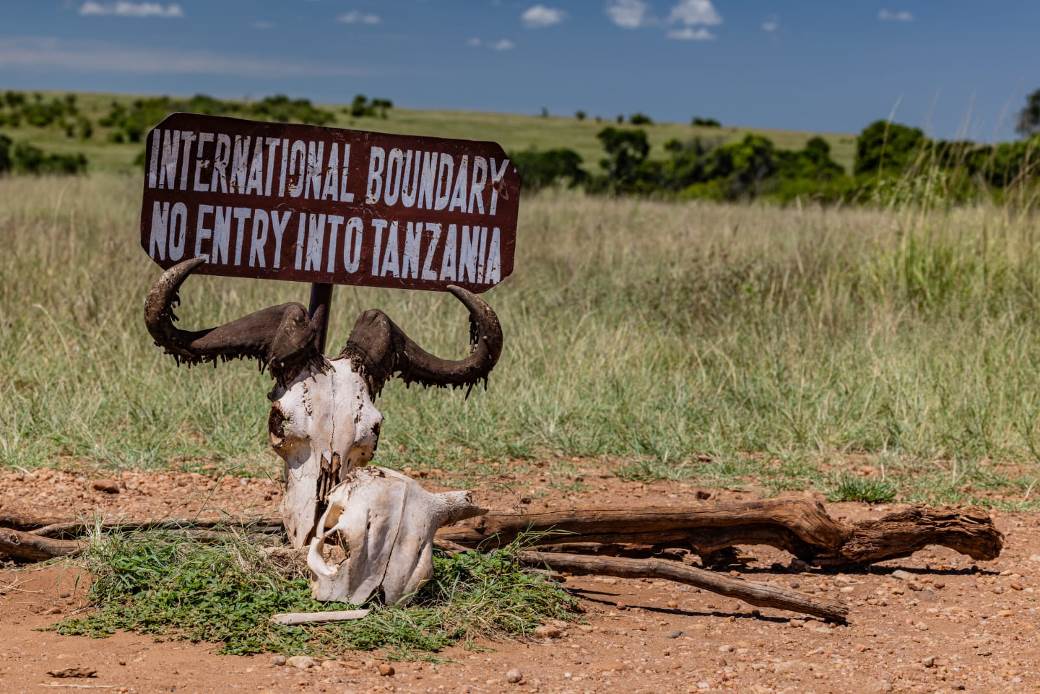
Most first-safari mistakes happen weeks before you land, not in the bush. First-time visitors to Kenya, Tanzania, Uganda and Rwanda most often try to cover too many parks or countries, choose an operator on price alone, book everything before the gorilla trekking permits are secured, and assume one set of entry rules covers the whole region. Each country has its own rules, and several changed in late 2026.
Others pack things that light aircraft or customs won’t accept, such as hard suitcases, plastic bags and drones. Here are 13 common mistakes, grouped by stage, and what to do instead.
What planning mistakes do first-time safari travellers make?
1. Trying to see too many parks or countries
On a map, East Africa’s parks look close together. On the road, they aren’t:
- Nairobi to the Maasai Mara’s eastern gates takes about 5½ to 6 hours by road.
- Entebbe or Kampala to Bwindi Impenetrable National Park, Uganda’s main gorilla park, takes roughly 8 to 10 hours.
- Kigali to Volcanoes National Park, Rwanda’s gorilla park, takes about 2 to 2½ hours. That’s one reason many gorilla trips start in Kigali.
A day spent on highways is mostly a day without wildlife. First-timers who book four countries in ten days spend much of the trip in transit. You’ll see more if you:
- Choose fewer parks and spend at least two nights, ideally three, in each. Animals don’t keep a timetable, and a second or third morning gives you more chances.
- Fly when distances are long. Light-aircraft flights turn a day on the road into a short hop. See our guide to Kenya flying safaris.
- Pick the right gateway airport. For gorillas, Kigali is close to Volcanoes National Park and to the southern sectors of Bwindi, about 4 to 5 hours away including the border crossing.
- Don’t go straight from a long-haul flight into the bush. A night in Nairobi, Arusha, Entebbe or Kigali to recover makes your first game drive far more enjoyable.
Combining countries? Our Kenya and Tanzania combined safari guide explains how many days you need.
2. Picking your dates without knowing what they change
Your travel month decides more than the weather. It decides what you’ll see and what you’ll pay.
- Some park fees change with the season. The Maasai Mara National Reserve charges non-resident adults US$100 per day from January to June and US$200 per day from July to December (as of November 2026). Each ticket covers 12 hours, not 24. Uganda’s gorilla trekking permit drops from US$800 to US$600 in April, May and November.
- The wildebeest migration moves through the year. The herds usually cross the Mara River between July and October and are usually in Tanzania’s southern Serengeti early in the year. These are patterns, not guarantees.
- Rainy seasons affect roads and trails. The long rains usually fall around April and May. Fewer visitors and lower lodge rates can make up for slower transfers and muddier gorilla treks.
Decide what matters most first. If you want the river crossings, accept peak-season fees and book early. If value matters more, the green season can be excellent.
3. Choosing an operator on price alone
Two quotes for “a 4-day safari” can describe very different trips. The cheapest one may leave out park fees, use the wrong seasonal rate, put you in a shared minivan, or assume strangers share your vehicle.
Before you pay a deposit, check two things:
- What the price actually includes. Ask whether park fees and gorilla trekking permits are included at the correct rates for your dates, whether the price is per person or per vehicle, and in which currency it’s quoted.
- Whether the operator is licensed. In Kenya, tour and safari operators must hold a licence from the Tourism Regulatory Authority (TRA). You can check a licence on TRA’s verification site, verify.tra.go.ke. In July 2026, TRA warned travellers to confirm an operator’s licence before making any payment. Wherever your operator is based, ask for its licence and check it.
4. Not asking what vehicle you’ll travel in
You’ll spend most of your safari in the vehicle, so it matters more than first-timers expect. Ask your operator:
- Is it a 4×4 or a minivan? Both usually have pop-up roofs for viewing. A 4×4 handles rough roads and muddy tracks better, and some routes, such as the roads to the Mara’s western side, are much rougher than others.
- Is everyone guaranteed a window seat? A middle seat makes a long game drive much less enjoyable.
- Is the vehicle private or shared? In a shared vehicle you agree stops and timings with other guests. In a private one, you decide how long to stay with a sighting.
5. Booking everything before your gorilla trekking permit is confirmed
Gorilla trekking is the one part of an East African safari where a single document decides your dates. Each habituated gorilla family can be visited by no more than eight people a day. In popular months, permits for some dates sell out long before lodges do.
- Secure the permit first, then book lodges and flights around it.
- Know the prices (as of November 2026): US$1,500 in Rwanda, and US$800 in Uganda, or US$600 in April, May and November.
- Know the rules. The minimum age is 15. In Uganda, international visitors can only book permits through licensed tour operators, and changing your date late costs 25% of the permit fee.
- Prepare for the trek. Treks can be steep, muddy and long. Pack waterproofs, gloves for grabbing vegetation, and boots with good grip.
Our gorilla trekking guide explains how it all works.
What paperwork and health mistakes catch first-timers out?
6. Assuming one set of entry rules covers East Africa
Each country sets its own rules, and several changed in late 2026. As of November 2026:
| Country | Entry permission | Mandatory government insurance | Online health declaration |
|---|---|---|---|
| Kenya | Electronic Travel Authorisation (eTA) online before travel. Kenya’s authorities recommend applying at least 2 weeks before departure. | Yes, since 5 October 2026, for most visitors staying under 12 months. You buy it in the eTA application, and your own travel insurance isn’t accepted in its place. About US$44, valid 90 days. | — |
| Tanzania | Tourist visa, by eVisa or on arrival | Yes, US$44, since 1 October 2026 | Yes, for all arrivals to mainland Tanzania since 17 October 2026 |
| Uganda | eVisa, applied for online before travel | No | Yes. Uganda’s Ministry of Health requires a health declaration from everyone entering the country. |
| Rwanda | Visa on arrival for all nationalities, or an eVisa in advance | No | — |
Three more points catch people out:
- The East Africa Tourist Visa covers Kenya, Uganda and Rwanda, not Tanzania.
- Zanzibar has its own health authority and rules, separate from mainland Tanzania. Check them if your trip ends on the beach.
- Government insurance is an entry requirement, not complete travel insurance. UK government advice is to also have travel insurance that covers your own needs. On safari, that means medical evacuation, cancellation and your planned activities.
Check your own government’s travel advice for every country on your route before you book flights and again before you leave. Advice can change quickly, especially during health outbreaks. The UK government warns that travelling against its advice could invalidate your travel insurance.
7. Skipping the travel clinic
Malaria is a risk in the main safari areas of all four countries. In Kenya, NHS Scotland’s Fit for Travel service rates the risk as high across most of the country, except Nairobi and highland areas above 2,500 metres. It treats the whole of Uganda as high risk. Book a travel clinic appointment several weeks before departure, because some antimalarial tablets must be started before you travel.
Ask about yellow fever at the same appointment. Tanzania requires a yellow fever certificate from travellers arriving from Kenya, and Rwanda’s rules are reported inconsistently. Uganda dropped its blanket certificate requirement in October 2026. On a multi-country trip, the simplest approach is usually to get vaccinated and carry the certificate. A clinic can advise for your health and route.
What packing mistakes cause problems on safari?
8. Bringing a hard suitcase on a flying safari
The small planes that fly between East Africa’s parks have strict limits. Kenya’s Safarilink, for example, allows 15 kg per person, including hand luggage, in soft bags, rising to 20 kg on some coastal routes such as Zanzibar, Diani and Mombasa. Other light-aircraft operators in the region set similar limits, and your camera bag counts towards the total.
Pack a soft duffel, check the limit for each airline on your itinerary, and ask your operator whether you can leave extra luggage at your first hotel.
9. Packing plastic bags
Kenya banned plastic carrier bags in 2017. Tanzania extended its ban to visitors on 1 June 2019 and set up desks at entry points where travellers hand them over. Rwanda’s ban dates back to 2006 and is strictly enforced.
Leave duty-free shopping bags on the plane, and don’t use plastic carrier bags to pack shoes or laundry. Tanzania allows small zip bags for toiletries as long as you take them home again, but other countries’ rules on zip bags are reported inconsistently. Reusable fabric or silicone pouches work everywhere.
10. Packing a drone “just in case”
Drones are the item most likely to be held at the airport. All four countries require approval in advance:
- Kenya: it’s illegal to bring a drone into or out of the country without prior approval from the Kenya Civil Aviation Authority.
- Tanzania: the Tanzania Civil Aviation Authority says a drone brought in without its import permit will be confiscated on arrival. Flying in a national park needs further permission from the park authorities.
- Uganda: importing a drone needs clearance through the customs, civil aviation and defence authorities before it arrives. Drones without clearance are held at Entebbe airport.
- Rwanda: you need a permit from the Rwanda Civil Aviation Authority to fly a drone, even for fun.
Unless you’ve arranged the permits well in advance, leave the drone at home.
11. Wearing blue and black
In woodland areas where tsetse flies live, dark blue and black clothing attracts them. That’s why fly traps are made in those colours. Their bites are painful. Wear neutral colours such as khaki, olive, beige and light grey, and pack layers. Early-morning game drives can be cold, and gorilla parks sit at altitude, where mornings are cool and rain is common.
For a full list, see our guide to what to wear on safari.
What mistakes do first-timers make once they’re on safari?
12. Expecting the Big Five on demand and pushing your guide to get closer
A safari isn’t a zoo. Some days the lions are right beside the track, and some days they’re asleep in long grass you can’t see into. First-timers sometimes push their driver-guide to leave the track or crowd an animal. Don’t.
In the Maasai Mara National Reserve, off-road driving is prohibited, apart from approaching big cats under set rules. Drivers caught driving off-road or harassing animals face fines. Pushing your guide puts their job at risk and stresses the animals you came to see. The same goes for gorilla treks. Rangers enforce a minimum distance and a one-hour limit with the gorillas, and those rules protect the gorillas’ health.
Patience gets better results:
- Start early. Many animals are most active in the cool early morning.
- Tell your guide what interests you, whether that’s big cats, birds, photography or elephants. They’ll plan around it.
- Stay with a sighting. Waiting quietly with one animal often beats racing between several.
If you’d like to see the smaller side of the bush, a guided walk is a good addition. See walking safari vs game drive.
13. Forgetting cash for tips and small extras
Tipping driver-guides, gorilla trekking rangers and porters, and camp staff is customary across East Africa. Card machines aren’t available everywhere in the bush. Bring small notes so you aren’t left without change at the end of your trip. Our safari tipping guidelines cover typical amounts and who to tip.
First safari checklist for East Africa
- No more than one park for every 2–3 nights, or flights between distant parks
- The right gateway airport for each country, especially for gorilla trekking
- Dates chosen for what you want to see, with the season’s park fees and permit prices understood
- Operator’s licence checked and the quote’s inclusions confirmed in writing
- Gorilla trekking permits secured before lodges and flights
- Entry rules checked for every country: eTA, visas, government insurance, health declarations
- Government travel advice checked when you book and again before you leave
- Travel clinic visited: antimalarials and a yellow fever certificate
- Your own travel insurance, including medical evacuation
- Soft bag within your flight’s weight limit; no plastic bags; no drone without permits
- Neutral clothing, warm layers, rain gear for gorilla treks and small notes for tips
Frequently asked questions
What is the biggest mistake first-time safari travellers make in East Africa?
Trying to see too many parks or countries in too few days. Road transfers often take most of a day. Entebbe to Bwindi, for example, takes roughly 8 to 10 hours. A packed itinerary means more time on the road and less time watching wildlife. Spend at least two or three nights in each park, or fly between distant ones.
Do I need travel insurance for a safari in East Africa?
Kenya and mainland Tanzania now require visitors to buy government travel insurance: Kenya since 5 October 2026, through the eTA application, and Tanzania since 1 October 2026, for US$44. Uganda and Rwanda don’t require it. In every country, you should still have your own travel insurance that covers medical evacuation, cancellation and your planned activities.
Does the East Africa Tourist Visa cover Tanzania?
No. The East Africa Tourist Visa covers Kenya, Uganda and Rwanda only. Tanzania needs its own visa, which you can get by eVisa or on arrival.
Can I bring a drone on safari in East Africa?
Not without permits. Kenya, Tanzania, Uganda and Rwanda all require approval from their civil aviation authorities. Drones without the right permits can be confiscated or held at the airport. Most first-timers should leave the drone at home.
How much luggage can I take on a safari flight?
Often 15 kg per person, including hand luggage, in a soft bag. Safarilink in Kenya, for example, applies this limit on its safari routes, with 20 kg on some coastal routes. Check the limit for each airline on your itinerary.
Planning your first East Africa safari?
Tell us your travel dates, how many days you have and what you most want to see, whether that’s the migration, gorillas or a beach finish. We’ll suggest how many parks and countries realistically fit, the best gateway airports, and what your quote should include, so there are no surprises later. GoKenya Safari is licensed by Kenya’s Tourism Regulatory Authority. You can also browse our Kenya and Tanzania safari packages.